Quick Service & Work, We Assist You 24/7
Key Takeaways
- Identify construction activities to select appropriate Cross Country Pipeline Equipment for each project stage.
- Consider pipe dimensions for effective Pipeline Construction Equipment selections and avoid compatibility issues.
- Evaluate Pipe Bending Equipment based on required support for internal pipe surfaces during bending operations.
- Use Pipe Alignment Clamps to ensure precise positioning during welding preparation and installation processes.
- Always review product specifications and requirements before procuring equipment to ensure project success.
Selecting equipment for a cross-country pipeline project requires more than choosing machines from a catalogue. Every construction stage has different requirements for pipe handling, alignment and bending.
At SPM Equipment, we specialize in the manufacturing and supply of high-quality cross-country pipeline equipment designed to meet the demanding requirements of the oil and gas industry. Our product range covers several stages of pipeline construction, helping contractors identify equipment according to their actual project activities.
Start with the Construction Activities
Before selecting equipment, contractors should identify the operations planned across the pipeline route. Pipe alignment, lifting, bending and cutting require different tools, so one equipment category cannot cover every construction requirement.
Our product range includes mainline pipe joint clamps, pipe rollers, pipe lifting and lowering equipment, pipeline bending equipment and pipe cutting machines. Each category supports a different stage of pipeline work.
The first step is to prepare a clear equipment requirement based on site activities. Contractors should identify which tools are required for pipe positioning, which are needed for joint preparation and which support handling during installation.
This approach allows buyers to compare products based on their intended applications instead of relying only on product names.
Match Equipment to Pipe Dimensions
Pipe diameter is an important consideration when choosing Pipeline Construction Equipment. Different tools are manufactured for different pipe sizes, and some products can be customized to match specific project requirements.
Our cross-country equipment product information includes configurations linked to customized pipe dimensions. However, the applicable size range depends on the equipment model and intended operation.
Buyers should share the required pipe diameter, wall thickness and application details before finalizing a selection. Wall thickness is particularly relevant when selecting internal support equipment for pipe bending.
A clear specification helps us discuss the correct product configuration. It also reduces confusion between equipment designed for pipe alignment and equipment intended for bending or other operations.
Evaluate Equipment for Pipe Bending
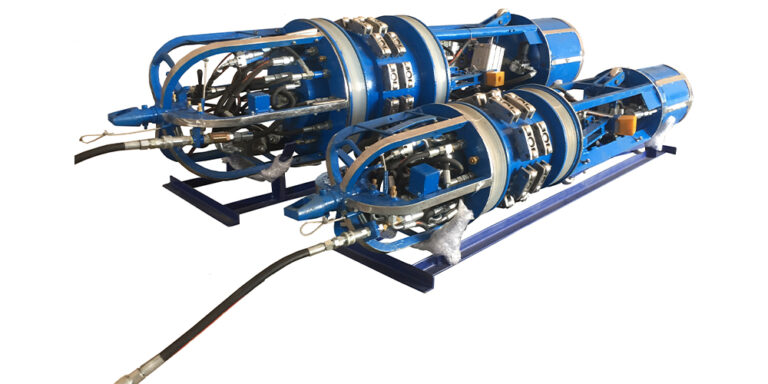
Cold pipe bending requires suitable support within the pipe during the bending operation. Our product range includes a polyurethane disc plug mandrel designed for use with pipe bending machines.
The mandrel supports the internal surface of the pipe and helps minimize out-of-roundness during bending. Its design also permits greater bending without wrinkles within the suitable application conditions.
When selecting Pipe Bending Equipment, buyers should consider pipe diameter, wall thickness and the bending process involved. The selected mandrel must be appropriate for the specific bending machine and pipe requirements.
Our polyurethane disc plug mandrel is intended for pipeline bending applications where maintaining the pipe profile is an important operating consideration.
Consider Alignment and Pipe Handling Requirements
Beyond bending, pipeline contractors must prepare pipes for joining and manage their movement around the construction site.
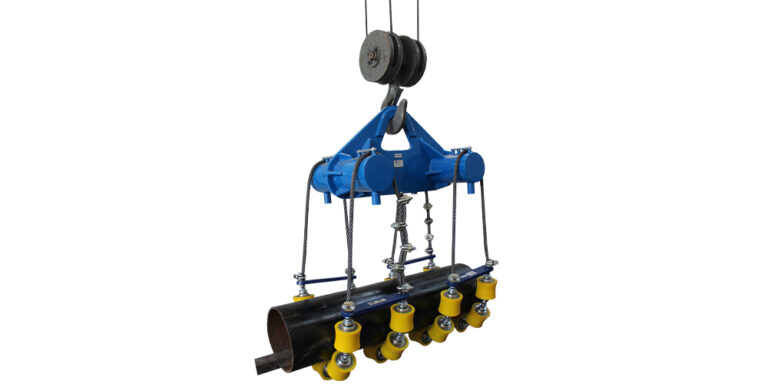
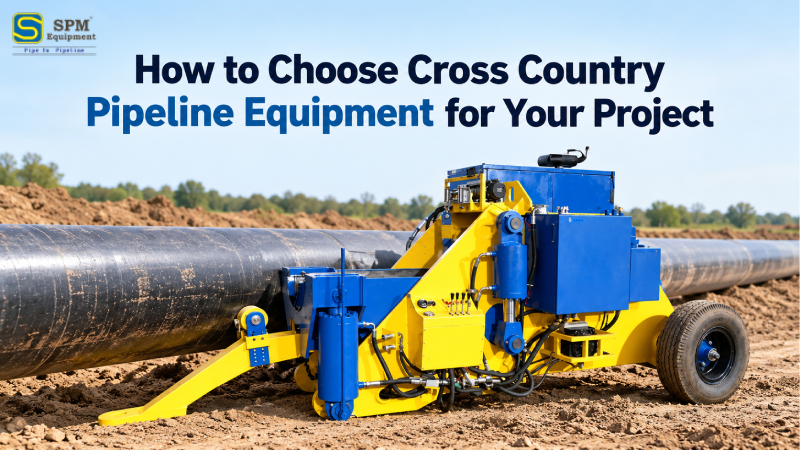
Our Pipe Alignment Clamps range includes equipment designed to hold pipe ends in position during welding preparation. We also supply pipe rollers and Pipeline Lifting Equipment for supporting movement and handling operations.
These products perform different functions. Alignment clamps focus on maintaining pipe positioning, while rollers and lifting equipment support movement, installation and handling activities.
Contractors should therefore choose each product according to the operation it will perform. Combining the correct equipment categories into the procurement plan can make site preparation more organized and practical.
Review Product Details Before Procurement
Technical descriptions should be checked against the exact product being ordered. Our cross-country equipment offering includes specialized products for different pipeline applications, with specifications that depend on configuration.
Buyers should prepare an equipment enquiry using the following details:
- Pipe dimensions: Mention diameter and relevant wall thickness.
- Intended application: Identify bending, alignment, lifting or another operation.
- Required quantity: State how many units the project needs.
- Delivery destination: Share the project country and delivery requirements.
Our team can use these details to discuss suitable equipment options before an order is finalized.
Why Choose Us
SPM Equipment manufactures and exports oil and gas pipeline products from India. Our portfolio covers pipe alignment, bending, lifting, lowering and cutting applications. We also offer products for project-specific pipe dimensions. By reviewing the intended operation and technical requirements, we help buyers discuss equipment choices for cross-country pipeline construction with greater clarity.
Conclusion
Choosing suitable Cross Country Pipeline Equipment begins with understanding the work planned at each stage of the project. Pipe bending mandrels, alignment clamps and handling equipment have separate functions and should be selected accordingly. Our manufacturing range gives pipeline contractors access to these product categories. Sharing accurate pipe specifications and operating requirements helps identify the right equipment configuration before procurement.
Planning to source equipment for an oil and gas pipeline project? Contact SPM Equipment with your pipe dimensions, required products and project destination.
Phone: +91 957 477 0022
Email: sales@spmepl.com
Frequently Asked Questions
What types of Cross Country Pipeline Equipment do I need for my project?
For a cross-country pipeline project, you will need various types of equipment including pipe alignment clamps, pipeline lifting equipment, pipe bending equipment, and pipe cutting machines. Each type serves a specific function in the construction process, so it’s important to identify your project’s operational requirements before selecting equipment.
How do I determine the right Pipeline Construction Equipment for my needs?
To determine the right pipeline construction equipment, contractors should start by assessing the specific activities planned along the pipeline route, such as lifting, bending, or alignment. It’s essential to choose equipment suited to the pipe dimensions and the intended application for optimal performance.
What factors should I consider when choosing Pipe Bending Equipment?
When choosing pipe bending equipment, you should consider the pipe’s diameter, wall thickness, and the specific bending process required. Additionally, ensure that any mandrels or supports used are compatible with both the pipe specifications and the bending machinery to maintain the integrity of the pipe.
How important are Pipe Alignment Clamps in the pipeline construction process?
Pipe alignment clamps are crucial as they hold the pipe ends in position during welding preparation to ensure proper alignment. Choosing the right clamps allows for more accurate and effective joining of pipes, which can significantly affect the overall success of the pipeline installation.
What information do I need to provide when sourcing cross-country pipeline equipment?
When sourcing cross-country pipeline equipment, you should provide details such as the pipe dimensions (diameter and wall thickness), the intended application (bending, lifting, alignment), the required quantity, and the delivery destination. This information helps suppliers recommend the most suitable equipment for your project.