Quick Service & Work, We Assist You 24/7
Key Takeaways
- A pipeline cradle provides stable, controlled support that prevents pipe roll-over and reduces safety risks.
- It protects pipe surfaces and coatings better than makeshift supports or bare metal props.
- With low-friction rollers, a pipeline cradle makes pipe movement and positioning noticeably easier and faster.
- The pipeline cradle is versatile enough to handle different pipe sizes and project conditions.
- SPM Equipment’s pipeline cradle is engineered for durability and safety in harsh industrial environments.
Imagine a long pipeline section rolling off its supports on a busy construction site in Qatar, Kuwait, or Tanzania—damage, delays, and safety incidents follow. In Argentina’s oil-rich fields or Thailand’s industrial corridors, the same scenario repeats wherever pipes are handled without proper support. The pipeline cradle solves this problem at the root. In this article, you’ll learn why industries are shifting from makeshift supports to engineered pipeline cradles, how they improve safety and efficiency, and where they deliver the biggest impact in pipeline construction, maintenance, and material-handling operations.
What Is a Pipeline Cradle?
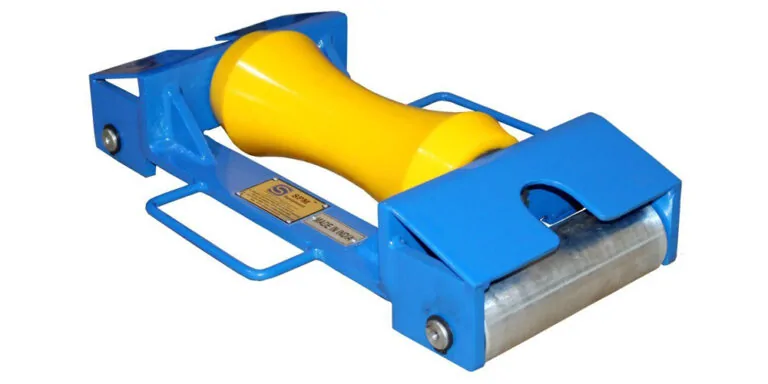
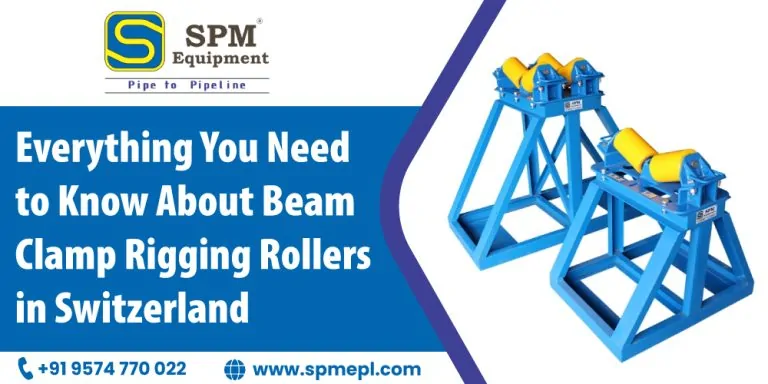
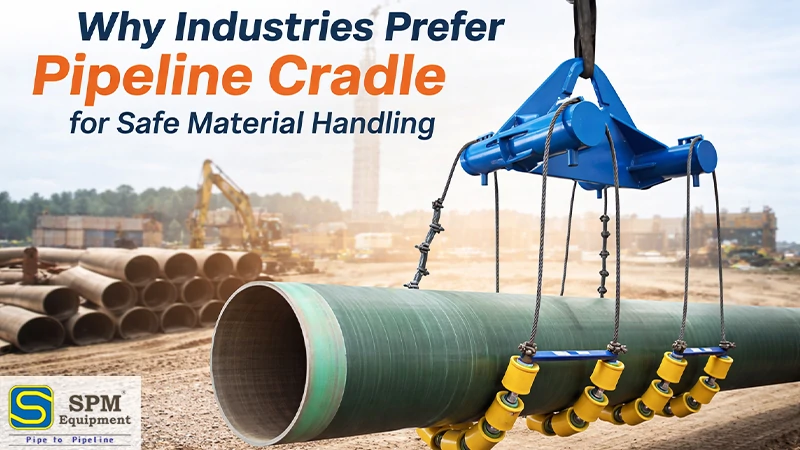
A pipeline cradle is a purpose-built support structure designed to hold, lift, lower, and transport pipes safely during installation, maintenance, and fabrication. Instead of rough wooden blocks, chains, or chains-only rigs, a pipeline cradle provides a stable, contoured frame that follows the pipe’s curvature, evenly distributing its weight. SPM Equipment’s pipeline cradle integrates durable materials with PU-coated rollers to keep pipes moving smoothly while reducing friction and surface damage.
These cradles are typically used under pipe sections during lifting, during transport along the pipeline corridor, and in fabrication yards where pipes are staged before welding. The pipeline cradle sits between the pipe and the ground or lifting equipment, acting as a protective and stabilizing interface.
Why Industries Are Switching to Pipeline Cradle Systems
Many contractors still rely on un-engineered props and makeshift supports because they appear “cheap and quick.” But these methods come with hidden costs:
- Higher risk of pipe roll-over or unexpected movement.
- Surface damage, dents, or coating abrasion that lead to rework.
- Increased manual labour to reposition pipes and secure them “by hand.”
- More incident potential during lifts near workers or equipment.
An engineered pipeline cradle addresses all of these issues. By supporting the pipe along a controlled arc, the pipeline cradle reduces stress concentration, prevents rolling, and keeps the pipe aligned. In environments like Qatar’s coastal refineries or Tanzania’s rough terrain, this controlled support is not a luxury—it is a necessity.
Key Benefits of Using a Pipeline Cradle
Enhanced Safety for Workers and Equipment
A pipeline cradle keeps the pipe stable during lifting, lowering, and transport, which directly reduces the risk of sudden rolling or dropping. PU-coated rollers and smooth contact surfaces prevent sharp edges from pressing into the pipe, while the rigid frame inhibits uncontrolled movement. SPM Equipment builds its pipeline cradle to withstand heavy loads while remaining easy to position and reposition.
In high-traffic pipeline corridors in Kuwait and Argentina, this stability means workers and heavy equipment can operate closer to the pipeline without the constant fear of an uncontrolled section shifting. The result is a safer, more predictable worksite.
Better Protection of Pipe Surfaces and Coatings
Pipeline projects in Thailand, Qatar, and Tanzania often involve coated or lined pipes, where even minor abrasion can compromise long-term performance. A pipeline cradle with PU-coated rollers creates a gentle, low-friction interface that supports the pipe without gouging or marking the surface.
This benefit is especially visible during repeated lowering and rolling operations. Where bare metal supports or chains would wear down coatings over time, the pipeline cradle preserves them, reducing inspection findings and the need for field rework.
Smoother, Faster Pipe Handling and Positioning
In pipeline construction and fabrication yards, time spent manually repositioning pipes adds up quickly. A pipeline cradle allows the pipe to be rolled or slid along the direction of travel with minimal force, thanks to its low-friction rollers and precise geometry. SPM Equipment’s pipeline cradle is engineered so that a small team can move long pipe sections efficiently, without relying on larger cranes for every small adjustment.
In busy yards in Qatar and Thailand, this translates to fewer crane-hook time slots per joint, faster alignment, and smoother workflow from stockyard to lay-down area. The psychological effect is also important: when material handling feels “lighter” and more controlled, operators make fewer mistakes.
Versatility Across Pipe Sizes and Load Profiles
One of the reasons pipeline cradle systems are gaining popularity is their adaptability. A well-designed pipeline cradle can handle a range of pipe diameters and weights, often within a single configuration. This versatility is extremely valuable in multi-project environments, such as oil and gas fields in Argentina or utility corridors in Tanzania, where contractors handle multiple pipe sizes on the same job.
SPM Equipment’s pipeline cradle follows this principle, offering a stable platform that can accommodate various pipe profiles while maintaining safe load distribution and smooth rolling action.
Where a Pipeline Cradle Is Used Most
Pipeline Construction and Mainline Installation
In long-distance pipeline projects, pipes move from the stockyard, through the pipe string, onto the ditch, and finally into the trench. At each stage, the pipeline cradle provides a stable support that protects the pipe and keeps it safe to handle. Whether the project is in Qatar’s desert terrain or Tanzania’s hilly routes, a pipeline cradle reduces the strain on both people and equipment.
Fabrication Yards and Pre-assembly Areas
In fabrication yards in Kuwait, Thailand, and Argentina, pipes are cut, welded, and assembled into longer spools before being shipped to the site. A pipeline cradle makes it easy to stage, roll, and inspect these spools without dragging them across the ground. This reduces surface damage and makes quality control checks faster and more reliable.
Maintenance, Tie-ins, and Pipeline Repairs
During maintenance campaigns or pipeline tie-ins, space is limited and worker safety is critical. A pipeline cradle can be installed temporarily around existing pipe sections to support them during cutting, welding, or rerouting. This controlled support minimizes the risk of movement or stress on connected lines, which is especially important in live plants and refineries.
How a Pipeline Cradle Fits into a Modern Material-Handling Strategy
A pipeline cradle is not a stand-alone tool; it is part of a broader material-handling and safety philosophy. When combined with proper lifting gear, well-trained crews, and clear lifting procedures, the pipeline cradle acts as the backbone of safe pipe handling. SPM Equipment’s pipeline cradle supports this integrated approach by offering:
- A stable, load-rated structure compatible with standard cranes and rigging.
- Low-friction, PU-coated rollers that keep movement smooth and predictable.
- Durable construction that withstands harsh environments in Argentina, Tanzania, Kuwait, Thailand, and Qatar.
Projects in these regions can standardize on pipeline cradle systems to reduce ad-hoc rigging, lower rework, and create a more consistent workflow across different crews and sites.
Why Choose SPM Equipment?
SPM Equipment has built its reputation on delivering practical, field-tested solutions for pipeline and industrial material handling. Our pipeline cradle is designed not just to support pipes, but to protect them, keep them stable, and make them easier to move from stockyard to trench.
With durable materials, PU-coated rollers, and attention to ergonomics and safety, SPM Equipment’s pipeline cradle aligns with the real-world demands of pipeline projects in Argentina, Tanzania, Kuwait, Thailand, Qatar, and other demanding environments. When you choose SPM Equipment, you are choosing a partner that understands the difference between “good enough” supports and engineered systems that truly improve safety, productivity, and project outcomes.
Conclusion
Industries are increasingly choosing the pipeline cradle because it offers a safer, more controlled, and more efficient way to handle pipes during construction, fabrication, and maintenance. SPM Equipment’s pipeline cradle combines robust construction, low-friction rollers, and versatility to support a wide range of pipe sizes and project types, especially in countries like Argentina, Tanzania, Kuwait, Thailand, and Qatar. By standardizing on a proper pipeline cradle solution, companies reduce surface damage, limit uncontrolled pipe movement, and create a safer working environment for everyone involved.
As you plan your next pipeline project, think about how much smoother—and safer—your material-handling process could be with the right support system in place.
For product details and project-specific advice on pipeline cradle solutions, call SPM Equipment at +919574770022 or email sales@spmepl.com.
FAQs
What is a pipeline cradle used for?
A pipeline cradle is used to support, lift, roll, and transport pipes safely during pipeline construction, maintenance, and fabrication.
Does a pipeline cradle protect pipe coatings?
Yes, a well-designed pipeline cradle with PU-coated rollers minimizes friction and prevents scratches or abrasion on coated pipes.
Can one pipeline cradle handle multiple pipe diameters?
Depending on the design, many pipeline cradle systems are built to accommodate a range of pipe sizes commonly used in industrial projects.
Is the pipeline cradle suitable for outdoor or harsh environments?
Yes, pipeline cradles are typically made from durable materials resistant to weather, dirt, and mechanical stress, making them ideal for sites in Qatar, Kuwait, Tanzania, and beyond.
How does a pipeline cradle improve workflow in fabrication yards?
It allows smooth rolling and staging of pipes, reducing manual repositioning, protecting surfaces, and speeding up alignment and welding setups.